Expert Tips for Safe and Efficient Tree Removal Mar 29, 2026
First and foremost, safety is the highest priority. Trees are heavy and unpredictable, which means that improper handling can lead to severe injuries or property damage. Before beginning any tree removal project, ensure you have the appropriate safety gear. This includes a hard hat, goggles, gloves, and ear protection. It’s also wise to wear sturdy boots with good traction to prevent slips, especially on uneven terrain.
Next, thoroughly assess the tree and its surroundings. Check for any signs of decay or disease that could affect the tree's stability. This inspection can help you predict how the tree might fall. Understanding the natural lean of the tree and identifying potential impacts on surrounding structures, including other trees, fences, or power lines, is crucial. When in doubt, consult with professional tree services to ensure comprehensive risk assessment.
The strategic planning of the fall zone cannot be overstated. Identify a clear area where the tree will fall, ideally where it can land without obstacles. Calculate the tree's height to determine if it could potentially reach nearby structures. Ensuring this space is adequate helps minimize the risk of unintended damage. Clear the area of any people, pets, or objects before beginning the removal process.
When it comes to cutting techniques, precision is key. The correct use of the notch and back cut can significantly influence the direction and speed of the tree’s fall. Make a horizontal cut into the trunk about a third of the way through on the fall side. Then, make a downward cut at an angle, forming a notch. On the opposite side, create a back cut about two inches higher than the base of the notch. This cut methodically releases tension, helping to guide the tree along the chosen path.
Using the right equipment is imperative for a successful removal. For small trees, a handsaw might suffice, but larger trees typically require chainsaws. Ensure all equipment is well-maintained and that you are comfortable with its operation. If you're uncertain about equipment handling, utilizing professional tree removal services can be a safe alternative.
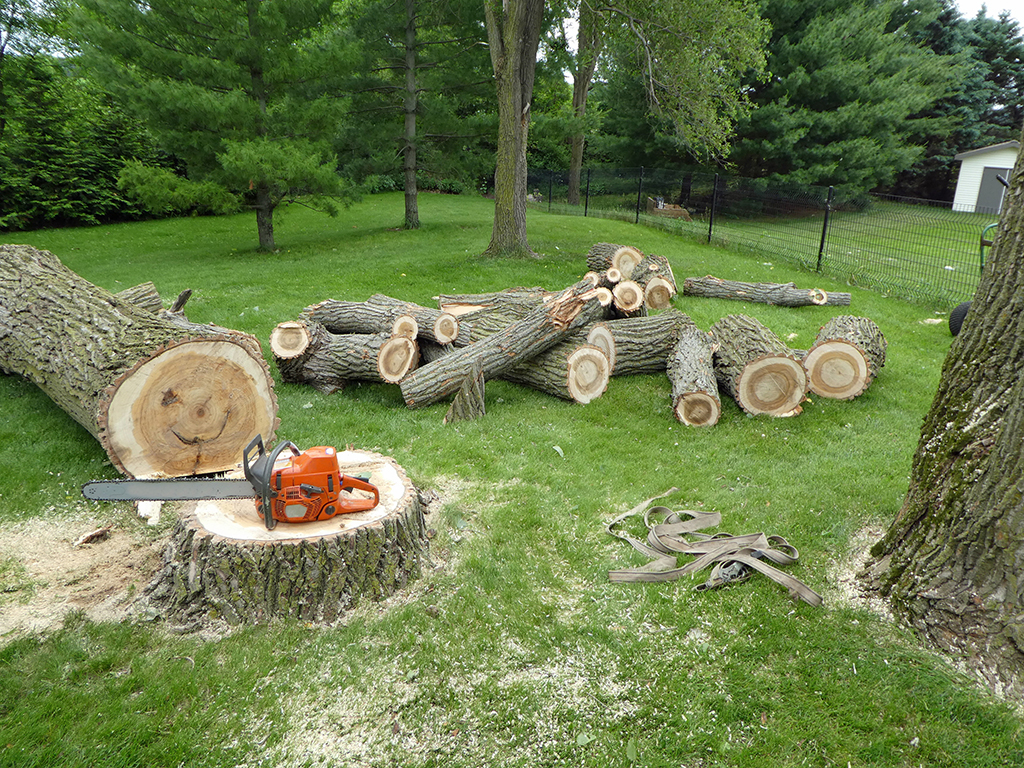
After the tree is down, proper clearing is needed. This involves removing branches, cutting the trunk into manageable sections, and addressing the stump. Stump grinding eliminates tripping hazards while preventing potential pest infestations.
Finally, consider the environmental impact of tree removal. Whenever possible, recycle the wood or use it for mulch to enhance the health of other plants in your garden. Sustainable practices extend the benefits of tree care far beyond the initial removal.
In conclusion, tree removal requires careful planning, appropriate equipment, and a strong emphasis on safety. While these tips provide a general guideline, the complexity of tree removal is best managed with the expertise of professionals. Grade A Tree Service & Land Clearing is committed to delivering safe and efficient tree services tailored to your needs, ensuring both your property and the environment stay protected. Reach out to us for expert advice and service you can trust.
/filters:no_upscale()/filters:format(webp)/media/a678887e-2ebc-4377-9b9b-12ce02666d7c.jpeg)
/filters:no_upscale()/filters:format(webp)/media/dfb56746-0696-424b-a122-ed819186b224.jpeg)